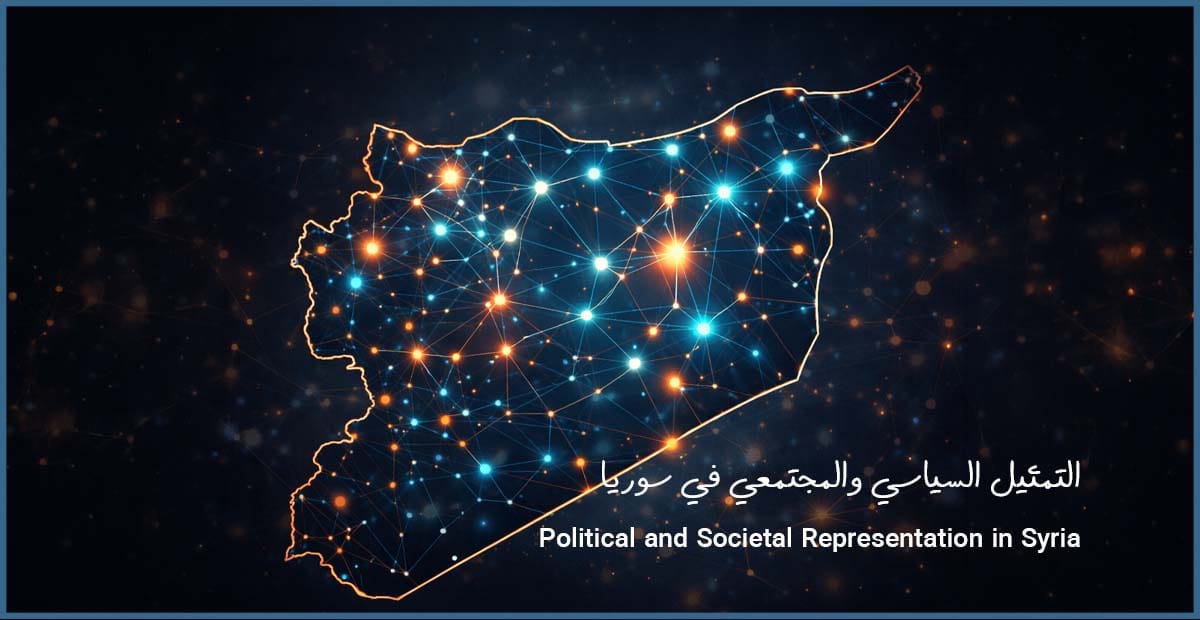
This research paper provides a comprehensive analysis of the representational frameworks in Syria, examining how the former regime engineered both conventional electoral systems and non-conventional networks to maintain power and construct a “false legitimacy.” The study dissects the mechanisms of political control, including the manipulation of electoral districts, “unannounced quotas” for tribes and minorities, and the co-optation of business and religious elites. By revisiting these historical structures, the paper aims to anticipate the profound social and political challenges facing Syria in its transitional phase. It underscores the urgent need for a new, equitable, and socially legitimate representative framework capable of bridging the deep sectarian and ethnic fractures left behind by decades of authoritarian rule.
Authors and Contributors: The paper is authored by Zedoun Alzoubi (Director at LUGARIT) and Omar Abdulaziz Hallaj (Partner at LUGARIT), both of whom bring extensive expertise in international development, governance, and peace-building in the MENA region. The research was published by LUGARIT, a think-and-do tank focused on supporting real development and high-quality knowledge in the Middle East and Africa